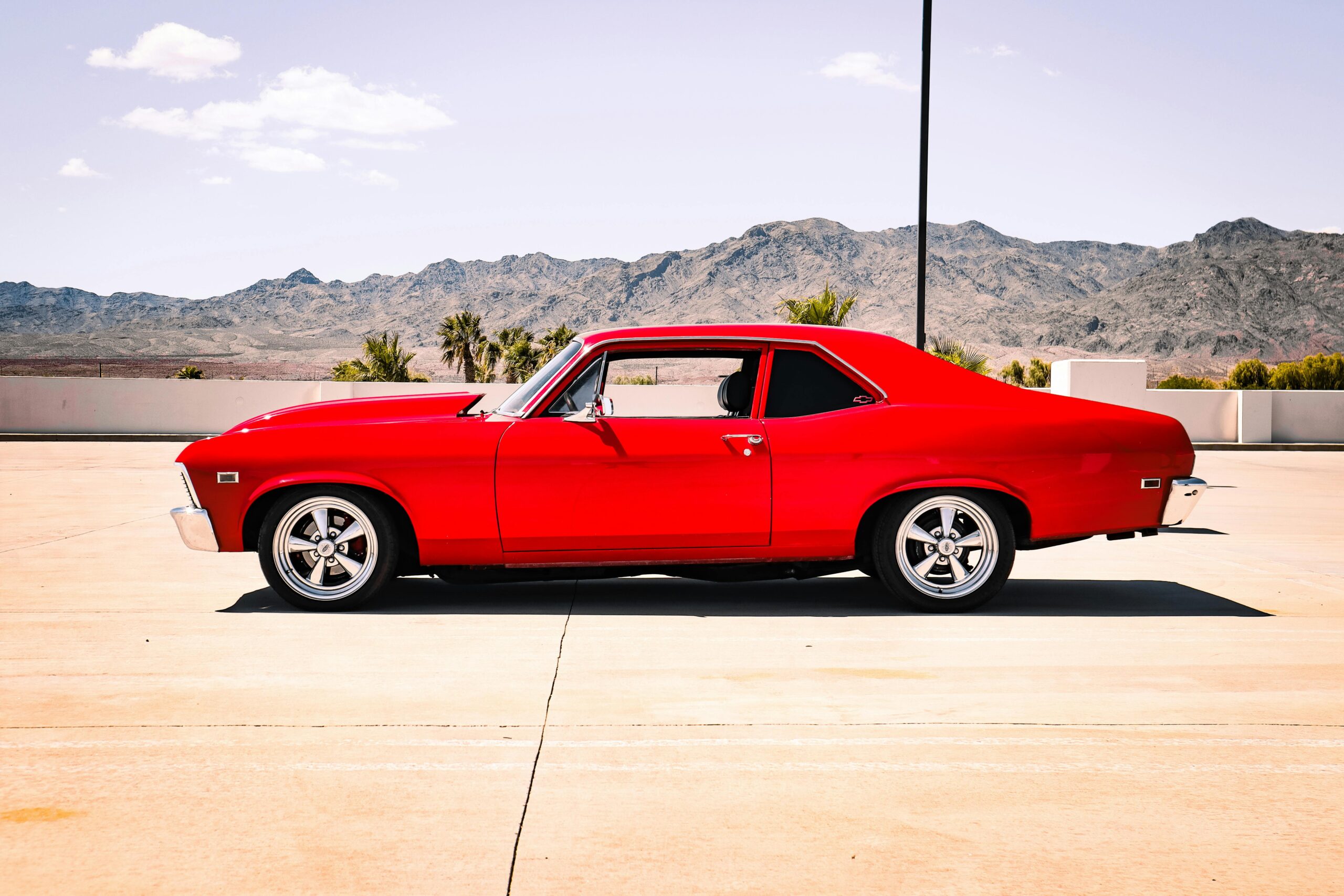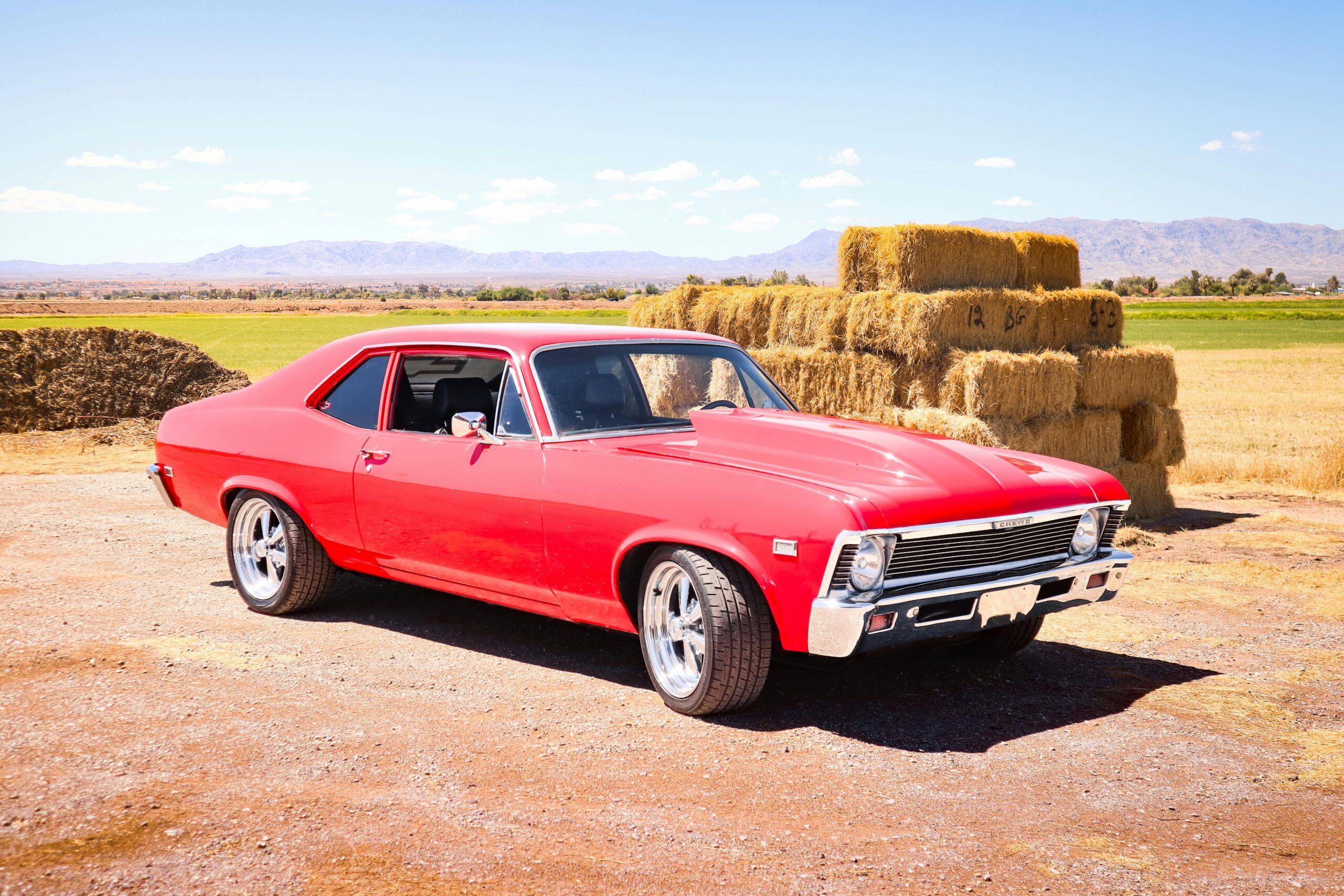
If you’ve ever wondered how some cars maintain that like-new appearance year after year, the secret lies in one essential service—car detailing. Unlike a basic car wash, detailing is a deep-cleaning, protective, and restorative process that treats every inch of your vehicle. Whether you’re a first-time car owner or an auto enthusiast, this car detailing guide will walk you through everything you need to know to protect your investment and keep your ride in peak condition.
What Is Car Detailing?
Car detailing is a meticulous cleaning and restoration process that covers both the interior and exterior of a vehicle. It goes beyond the surface-level rinse of an automated wash and uses advanced techniques and products to bring your vehicle back to showroom quality.
A typical detailing session includes:
- Exterior wash and protection
- Interior deep cleaning
- Paint correction (if needed)
- Protective treatments such as wax or ceramic coatings
The ultimate goal? Restore, protect, and maintain the appearance and condition of your vehicle inside and out.

Why Car Detailing Is Important
Many car owners underestimate the value of regular detailing. Here’s why it should be a consistent part of your vehicle maintenance plan:
1. Preserve Your Car’s Paintwork
Road grime, salt, bird droppings, and UV rays can slowly degrade your car’s paint. Detailing removes these contaminants and adds a layer of protection to shield against further damage.
2. Improve Resale Value
A car that looks and smells clean sells faster and for more money. Detailing restores the interior, removes stains, and corrects exterior imperfections, helping you maximize resale value.
3. Enhance Safety
Clean headlights, mirrors, and windshields are essential for visibility. Interior detailing removes allergens and bacteria that can affect your health and focus while driving.
4. Protect Interior Surfaces
Conditioning leather, vacuuming carpets, and cleaning touch surfaces helps prevent cracking, fading, and unpleasant odors from developing over time.
Full Car Detailing Breakdown
This section of the car detailing guide walks you through each step involved in a comprehensive detailing session.
Exterior Detailing
Hand Wash & Dry
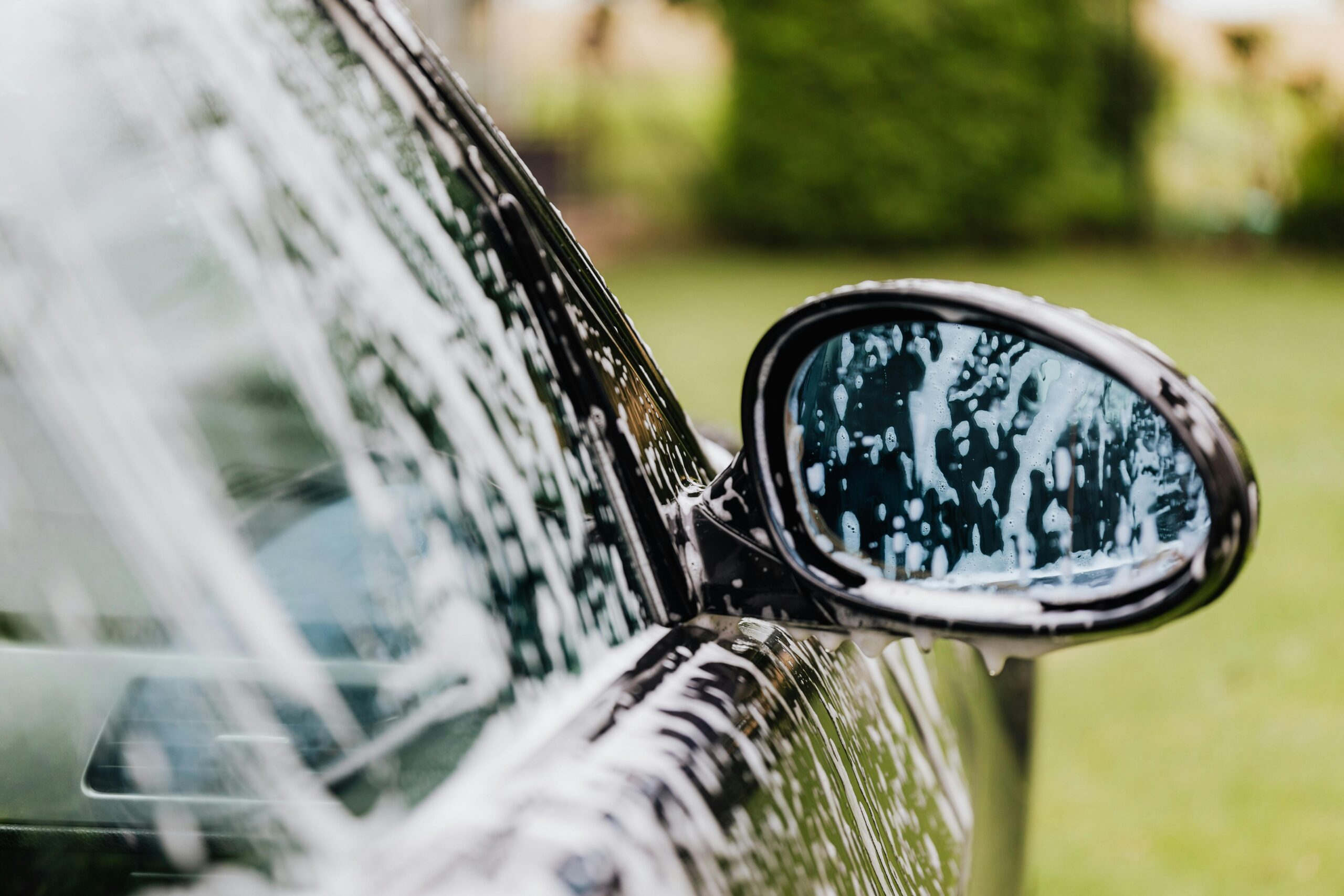
Detailers use the two-bucket method with a grit guard to safely wash the vehicle’s surface without scratching. A microfiber towel is used for streak-free drying.
Decontamination with Clay Bar
A clay bar removes embedded contaminants like tar, tree sap, and brake dust that regular washing can’t eliminate.
Paint Correction
This step involves machine polishing to remove swirl marks, oxidation, and light scratches, restoring depth and shine.
Waxing or Ceramic Coating
After polishing, a wax or ceramic coating is applied to protect the paint from UV rays, road salt, and pollutants. Ceramic coatings can last up to 2 years or more.
Tire & Wheel Cleaning
Wheels are degreased and scrubbed to remove brake dust and road grime. Tire dressing is then applied for a clean, satin finish.
Glass Polishing
Exterior windows and mirrors are polished and cleaned to enhance clarity and safety.

Interior Detailing
Vacuuming
Seats, carpets, floor mats, and trunk areas are vacuumed to remove dirt, crumbs, and debris.
Shampooing
Fabric surfaces are shampooed or steam cleaned to lift stains and kill bacteria. This includes seats, carpets, and fabric headliners.
Leather Conditioning
Leather seats are gently cleaned and then treated with a conditioner to preserve softness and prevent cracking.
Dashboard & Panel Cleaning
Vents, consoles, touchscreens, and door panels are sanitized using soft brushes and specialty cleaners.
Odor Elimination
Professional detailers may use ozone treatment or odor-neutralizing sprays to eliminate smoke, pet, or food smells.
Tools & Products Used in Car Detailing
A professional detailer uses high-grade products and tools, but if you want to do it yourself, here’s what you’ll need:
Exterior:
- pH-balanced car shampoo
- Clay bar or synthetic clay mitt
- DA polisher & compounds
- Wax or ceramic coating
- Microfiber drying towels
- Tire and wheel cleaner
Interior:
- Shop vac or wet/dry vacuum
- Upholstery cleaner or steam machine
- Leather cleaner & conditioner
- Interior detail brush set
- All-purpose cleaner (APC)
- Microfiber applicators and cloths
When using products at home, always test in a small area first and follow the manufacturer’s directions.
How Often Should You Detail Your Car?
The frequency of detailing depends on how often you drive and local conditions (dust, salt, pollen, etc.).
- Basic Detailing: Every 3–4 months
- Ceramic Coating: Every 12–24 months
- Interior Detailing: Every 3–6 months
- Quick Wash & Wax: Every 2–4 weeks
If you want your car looking flawless year-round, a quarterly detailing schedule is ideal.
DIY vs. Professional Detailing
You can certainly detail your vehicle at home with the right tools and time. However, for best results—especially paint correction, stain removal, and ceramic coating—professional services are highly recommended.
Benefits of hiring a pro:
- Access to commercial-grade products
- Experience with specialty surfaces (matte, leather, Alcantara)
- Time-saving and thorough
- Long-lasting protection and better results
Keep Your Vehicle Looking Its Best
This car detailing guide has shown that detailing isn’t just about aesthetics—it’s about maintenance, protection, and preserving your vehicle’s value. Whether you DIY or hire a local expert, regular detailing is the key to extending your car’s lifespan and keeping it looking like new.
By investing in car detailing a few times a year, you’re ensuring that your ride always makes the right first impression—clean, comfortable, and protected.