For many car owners, maintaining the look and feel of their vehicle is a top priority. While you might be tempted to save money by cleaning your car at home, there’s a reason why more people are turning to professional car detailing services. In this article, we’ll break down the top 7 professional car detailing benefits and explain why leaving it to the experts often delivers a far better return on investment than DIY methods.
1. Superior Equipment and Products
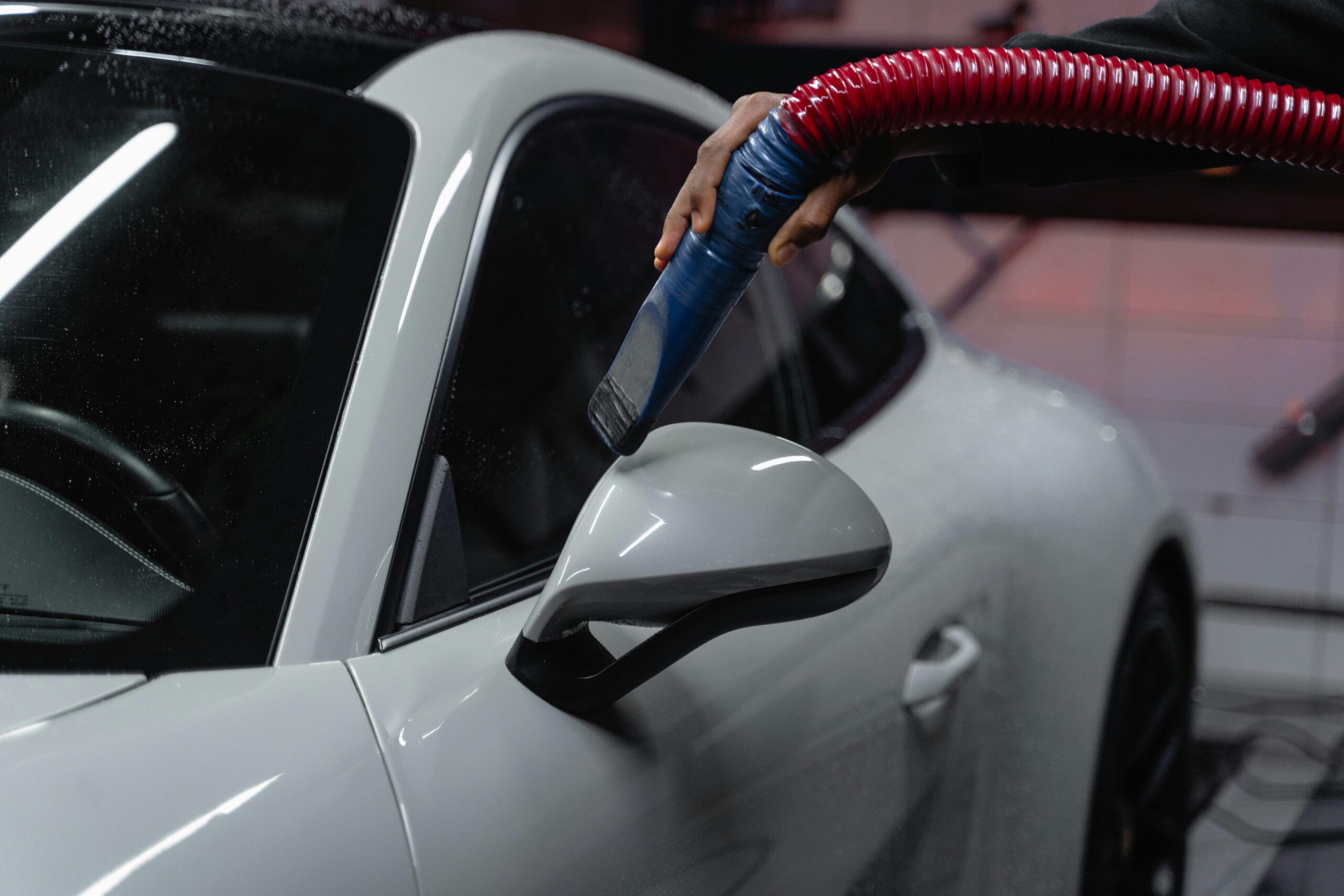
Professional detailers use commercial-grade tools and industry-tested products that most consumers don’t have at home. This includes:
- Dual-action polishers for paint correction
- High-heat steam cleaners for sanitizing interiors
- pH-balanced shampoos and degreasers
- Paint-safe microfiber cloths and foam applicators
These tools allow professionals to remove deep stains, oxidation, and surface imperfections more safely and effectively than common household supplies or automatic car washes.
DIY Limitation: Inadequate equipment often leads to missed spots, swirl marks, or even paint damage if not handled properly.
2. Comprehensive Cleaning You Can See—and Feel
A professional car detailing service isn’t just a “better wash”—it’s a full restorative process for both the exterior and interior. Professionals know how to reach the nooks and crannies you likely forget: under seats, behind trim panels, inside cupholders, and deep into carpet fibers.
Common services include:
- Full-body wash and decontamination
- Clay bar treatment and paint correction
- Interior vacuuming, shampooing, and leather conditioning
- Odor removal and sanitization
- Engine bay cleaning (optional)
DIY Limitation: Most home cleaning jobs only tackle surface-level dirt, leaving behind embedded grime and allergens.

3. Protective Treatments for Long-Term Value
Beyond making your car shine, detailing professionals apply protective coatings that extend the lifespan of your vehicle’s surfaces. These include:
- Waxing for temporary gloss and water beading
- Paint sealants for longer-term protection
- Ceramic coatings for multi-year defense against UV rays, acid rain, and contaminants
- Leather and fabric protectants for resisting stains and cracking
These layers of protection keep your paint from fading and your interior materials from degrading, especially in harsh climates.
DIY Limitation: Off-the-shelf waxes and sprays may look good initially but break down much faster and provide far less durability.
4. Time-Saving and Convenience
Let’s face it—doing a proper full-detail job yourself can take 5 to 8 hours, especially if you’re not experienced. Between setting up tools, buying products, and learning techniques, DIY detailing becomes a serious time commitment.
Hiring a pro allows you to drop off your car or have a mobile detailer come to your home or office while you focus on your daily life.
DIY Limitation: What seems like a weekend project often turns into an all-day chore—and results may still fall short of your expectations.
5. Paint Correction and Scratch Removal Expertise
Scratches, swirl marks, and faded paint require specialized correction techniques—something few DIYers have the tools or knowledge to tackle safely. Professional detailers use dual-action polishers and professional compounds to restore the clarity and depth of your paint.
In some cases, they can even minimize deeper blemishes or prep a surface for repainting.
DIY Limitation: Attempting paint correction without experience can burn the clear coat, worsen scratches, or create permanent holograms on your paint.
6. Boosted Resale or Trade-In Value
A professionally detailed vehicle stands out to potential buyers. Dealerships and private buyers are far more likely to pay top dollar for a car that looks—and smells—immaculate.
Professional detailers focus on the little things that influence buyer perception, such as:
- Clean carpets and headliners
- Conditioned leather or spotless upholstery
- Streak-free glass and mirrors
- No lingering smoke, pet, or food odors
DIY Limitation: Most private sellers can’t match the presentation that a professional detail provides, which could reduce offers during resale.
7. Attention to Detail (Pun Intended)
There’s a reason it’s called detailing. Professionals train their eyes to catch even the smallest imperfections that most DIYers overlook. From using boar-hair brushes on air vents to removing tar spots from wheel wells, their experience ensures nothing is missed.
They also work methodically—often using checklists—to deliver consistent, flawless results across every job.
DIY Limitation: Without a trained eye, it’s easy to overlook areas that need attention or apply products incorrectly.
When Is DIY Cleaning Still Worth It?
There’s still value in DIY cleaning between professional detail sessions. For example:
- Weekly or biweekly hand washes
- Wiping down interior surfaces
- Vacuuming visible debris
- Applying spray wax for quick gloss
These habits can help maintain your car’s appearance between deep cleanings, but for high-impact restoration or protection, it’s smart to schedule a professional detail.
How Often Should You Get a Professional Car Detail?
Experts recommend full professional detailing every 3–4 months or at least twice a year. However, frequency may increase depending on:
- Local weather (salt, rain, or dust exposure)
- How often you drive
- Whether your car is garage-kept
- Presence of kids, pets, or smokers
Pairing quarterly detailing with regular DIY upkeep is the perfect balance for most car owners.
Choosing between DIY car cleaning and hiring a professional often comes down to your goals. If you’re simply rinsing off some dust or maintaining a car you rarely drive, DIY is fine. But if you want deep cleaning, long-term protection, and maximum vehicle value, the benefits of professional car detailing clearly outweigh the effort of doing it yourself.
So next time your car needs more than just a rinse, consider booking a detail with a local expert. It’s not just cleaning—it’s an investment in your vehicle’s future.