Keeping your car looking great isn’t just about the occasional car wash. Regular detailing plays a crucial role in preserving both the aesthetics and longevity of your vehicle. But one of the most common questions among car owners is: How often should you detail your car?
In this guide, we’ll explore expert advice on car detailing frequency based on seasonal conditions, your driving habits, and vehicle storage. Whether you’re navigating snowy winters, humid summers, or dusty environments, knowing when and how often to detail your car is key to protecting your investment.
What Is Car Detailing and Why Is It Important?
Before diving into the seasonal breakdown, let’s quickly recap what detailing involves.
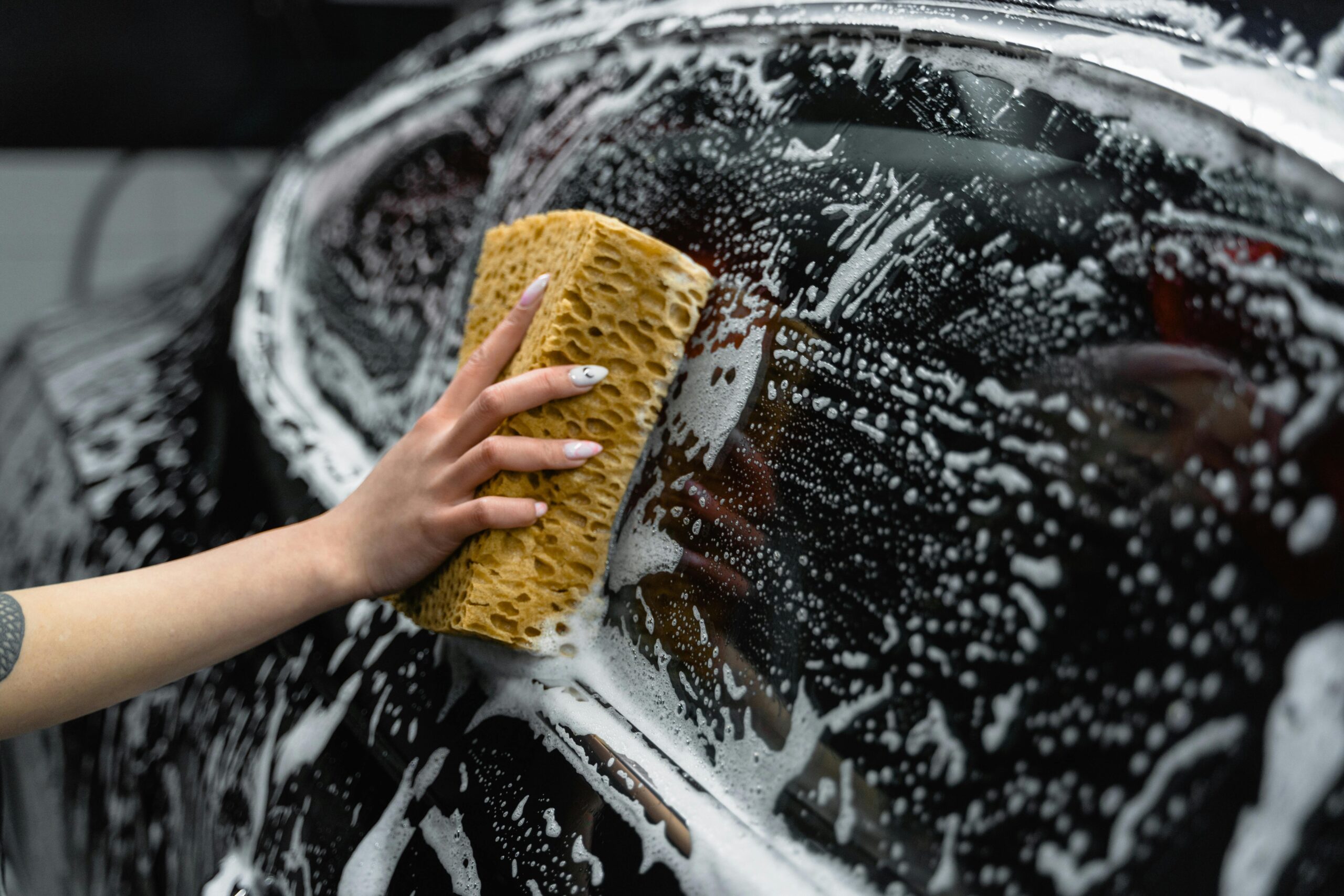
Car detailing is a thorough cleaning and reconditioning of both the interior and exterior of your vehicle. It typically includes:
- Washing and waxing the exterior
- Paint decontamination and polishing
- Interior vacuuming and shampooing
- Leather and upholstery treatment
- Window, wheel, and engine bay cleaning
Unlike regular washing, detailing restores and protects your car’s surfaces from wear, UV damage, oxidation, road salt, and more.
Benefits of Routine Car Detailing:
- Maintains paint clarity and gloss
- Prevents corrosion and surface damage
- Improves resale or trade-in value
- Keeps the interior clean, allergen-free, and fresh
- Enhances your driving experience

How Often Should You Detail Your Car?
The ideal detailing frequency depends on:
- Your climate and seasonal weather
- How often and where you drive
- Indoor vs. outdoor storage
- Whether your vehicle is exposed to pets, kids, or smoking
For most drivers, a full detail every 3–4 months (or 3–4 times a year) is recommended. However, more frequent maintenance or seasonal adjustments can greatly improve protection and appearance.
Seasonal Car Detailing Guide
Here’s a breakdown of how often you should detail your vehicle based on each season’s unique challenges:
Spring Detailing: Wash Away Winter
Recommended: Full detail in early spring
Winter leaves behind road salt, grime, and moisture that can corrode your paint and undercarriage. A spring detail helps reverse winter damage and prepare your vehicle for warmer months.
Focus Areas:
- Undercarriage and wheel well cleaning
- Paint decontamination (clay bar treatment)
- Wax or ceramic coating application
- Interior shampooing to remove salt and mud
Tip: Spring is a great time to apply a fresh layer of protection like sealant or ceramic coating.

Summer Detailing: Defend Against UV and Heat
Recommended: Quick detail every 4–6 weeks + 1 full detail
Summer sun and heat can cause your car’s paint to fade and interiors to crack. Plus, bugs, tree sap, and bird droppings can etch into your paint quickly if not removed.
Focus Areas:
- UV protection with wax or ceramic coating
- Leather/vinyl conditioning to prevent cracking
- Frequent interior vacuuming and dusting
- Bug and sap removal from bumpers and hoods
Tip: Park in the shade or use a windshield sunshade to reduce UV damage.
Fall Detailing: Prep for Harsh Weather
Recommended: Full detail in early fall
Autumn is all about preparation. A thorough fall detail can protect your vehicle through wet weather, falling leaves, and upcoming winter salt exposure.
Focus Areas:
- Paint protection (wax/sealant refresh)
- Check for clear coat or scratch damage
- Interior floor mat deep clean before wet boots and leaves arrive
- Replace or clean cabin air filters
Tip: Install rubber floor mats for added protection during wet months.

Winter Detailing: Combat Salt and Moisture
Recommended: Mini-detail every 4–6 weeks + 1 full interior detail
Cold weather, snow, and road salt can wreak havoc on your vehicle. While full detailing may be harder during the winter, smaller maintenance cleanings are crucial.
Focus Areas:
- Regular undercarriage rinsing to prevent rust
- Protect paint with durable coatings before winter begins
- Interior cleaning to manage mud, slush, and salt stains
- Use water-resistant interior protectants on carpets and upholstery
Tip: Schedule a full interior detail mid-winter if your vehicle sees heavy use from pets or passengers.
Signs Your Car Needs a Detail
Even outside of seasonal suggestions, watch for these signs that it’s time for a detail:
- Faded or dull paint
- Water spots that won’t wash off
- Visible swirl marks or scratches
- Sticky dashboard or stained seats
- Lingering odors inside the vehicle
- Hazy or yellowing headlights
- Hard-to-see through windshields or mirrors
If you notice any of the above, your vehicle will benefit from immediate attention.
Professional Detailing vs. At-Home Maintenance
While regular home cleanings help preserve your vehicle’s appearance, professional detailing delivers deeper results and long-lasting protection.
DIY Maintenance Suggestions:
- Weekly washes to prevent buildup
- Bi-weekly vacuuming and interior wipe-downs
- Spray wax or detailer for quick shine and water repellency
Professional Detailing Schedule:
- Quarterly full detail (every 3–4 months)
- Ceramic coating every 12–24 months
- Interior deep clean 2–3 times/year
- Pre-winter and pre-summer protection treatments
Combining light DIY upkeep with periodic professional services is the best way to protect your vehicle all year long.
Stay Ahead of the Seasons
When it comes to your car’s appearance and protection, timing is everything. Adjusting your car detailing frequency with the seasons ensures your vehicle stays clean, protected, and looking its best—no matter what the weather throws at it.
By following this seasonal guide and scheduling regular detail sessions, you can extend your car’s lifespan, boost its value, and enjoy a fresher, safer driving experience every day.